• The psychology of digital disconnection: Why we want to use digital media less and if we should even try to

    Digital detox, digital minimalism, and smartphone free schools reveal a desire to reduce or change how we use technologies. However, disconnecting from digital communication like smartphones and social media is not always easy or beneficial. We discuss what digital disconnection is, why people desire less digitally mediated communication, and how disconnecting can be helpful as well as its limits. ...more

  • Viral and harmful: Violence in media and its impact on empathy

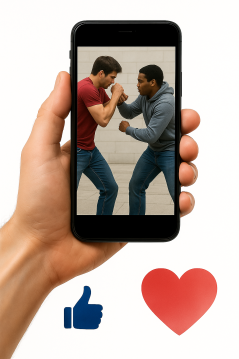
    From fight videos on TikTok to hate comments on Instagram, violence is omnipresent online, but what does it do to our empathy? Studies reveal that repeated exposure to digital aggression can reduce our ability to feel concern or discomfort when witnessing others' pain, especially in teens. Yet empathy doesn’t have to erode. This article explains how online violence affects our ability to care and offers practical strategies to maintain compassion in virtual spaces and effectively strengthen empathy over the long term. ...more
  • Social media use towards self-diagnosing and health anxiety

    Self-diagnosing occurs when individuals who are not medical professionals intrinsically establish themselves as living with a particular medical diagnosis. Self-diagnosing is becoming all the more prominent due to increasing communication about health, symptoms, and diagnoses online, namely on algorithmically-dominated social media platforms. While this can be an empowering process for individuals suffering from health issues, it can also perpetuate health anxiety. Users should carefully review health information which they consume on social media and online. ...more
  • Covert control: How political elites and influencers use manipulation on social media

    The popularity of users like politicians and political influencers on social media demonstrates their power and sway over public discourse today. But how do these political users gain and maintain power? This article explores how the current media landscape is dominated by political influencers and elites, making it harder for users to know what’s trustworthy and detect misinformation. By spotlighting the tactics that some of these sources use to build influence with their audiences, we bring attention to how political information is shared and processed in today’s digital landscape. ...more
  • Digital moral distortion: How social media can negatively shape our judgement of right and wrong

    Social media is far more than a tool for communication, it is a digital social environment at scale. Unlike any other space before it, social media platforms expose us to the judgements of others. From expressions of admiration to condemnation, we are immersed in the opinions of others with unprecedented frequency. In this article, we explore how such online environments hold the potential to distort our perception of societal consensus on core moral issues and influence our understanding of what is considered right and wrong in society. ...more
  • Internet, dating, addiction: A match made in heaven

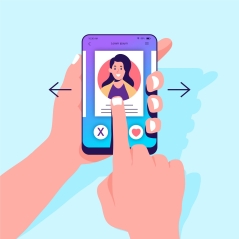
    Dating apps are said to have turned dating into an addiction. Instead of efficiently connecting people for in-person dates, users may get lost in “binge swiping”. But what makes it so hard to stop swiping – and when does it become a problem? We review existing research and explain what researchers mean by “online dating addiction”, why the science isn’t so simple, and what you can do to resist the pull. ...more